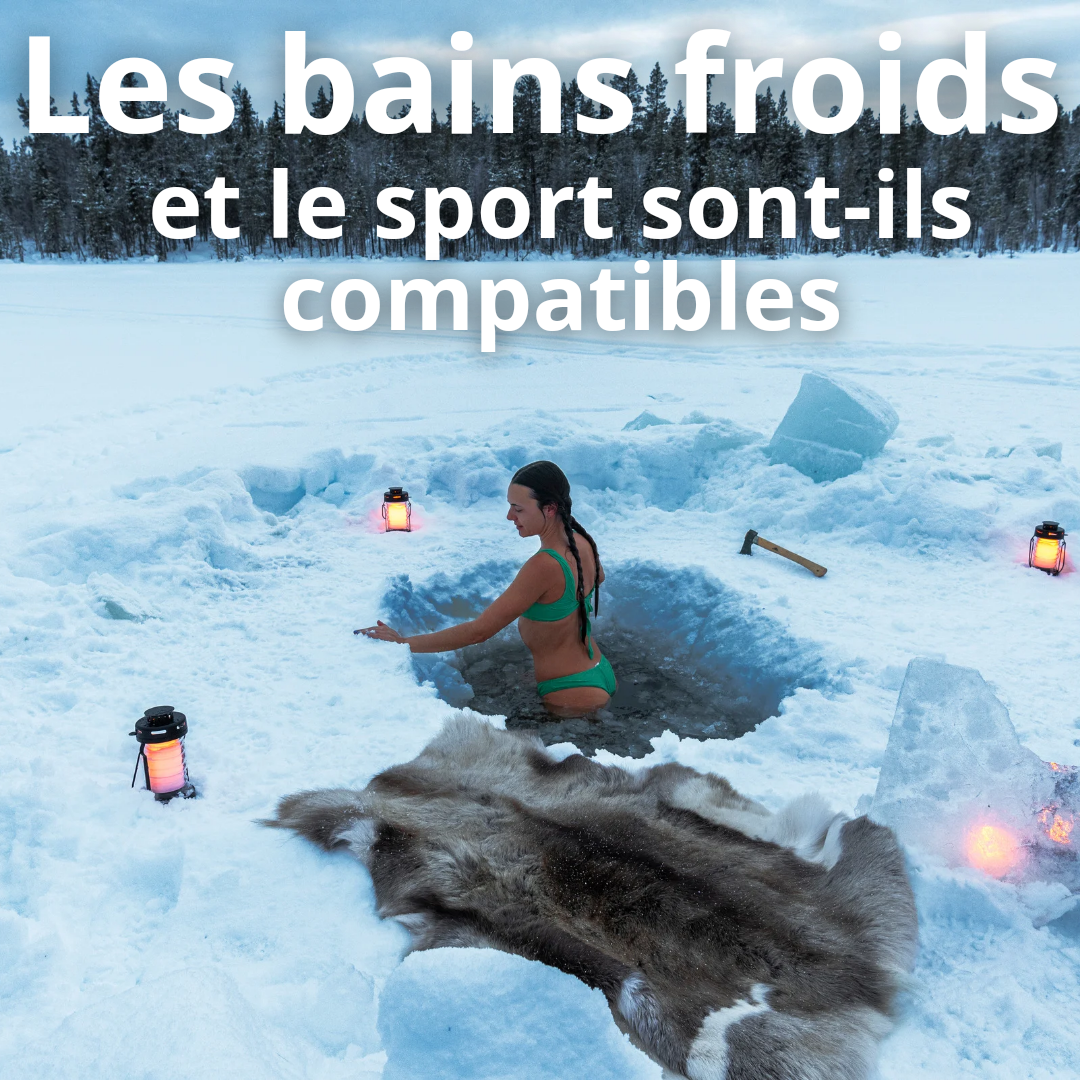
Cold baths, also known as ice baths, are becoming increasingly popular among athletes and sports enthusiasts. This practice, which involves immersing your body in cold water after intense exercise, is often associated with significant benefits for muscle recovery. Inspired by sources such as Icepiration.fr, Louce-sport.fr, Nike, and other scientific articles, this article explores the benefits of cold baths, methods for effectively incorporating them into a sports routine, and the studies that support these practices.
Cold Baths: What Are They?
Cold baths involve immersing the body in cold water, generally between 10°C and 15°C, for a duration ranging from 5 to 15 minutes. This practice is often used after intensive training sessions or sports competitions to help reduce inflammation and speed up muscle recovery.
Popular Methods
1. Ice Bath: Complete immersion in an ice bath is the most common method. It is often used by professional athletes.
2. Cold Shower: A more accessible alternative, a cold shower can also offer similar, though less intense, benefits.
3. Wim Hof Method: Popularized by Wim Hof, this method combines controlled breathing with cold exposure to maximize benefits.
The Benefits of Cold Baths for Muscle Recovery
Reduced Inflammation
One of the main benefits of cold baths is their ability to reduce muscle inflammation. According to a study published in the *Journal of Sports Sciences*, immersion in cold water after exercise can significantly reduce inflammatory markers in the blood, thus helping to speed up recovery.
Improved Blood Circulation
Cold baths can also improve blood circulation. When the body is exposed to cold, blood vessels constrict, which helps reduce the accumulation of metabolic waste in the muscles. Once the body warms up, the vessels dilate, allowing for better circulation and more effective toxin elimination.
Reduced Muscle Pain
A study published in the *British Journal of Sports Medicine* showed that cold baths can reduce delayed onset muscle soreness (DOMS) after intense exercise. This allows athletes to return to training more quickly and with less discomfort.
The Wim Hof Method and Cold Baths
Wim Hof, also known as "The Iceman", popularized a method that combines controlled breathing with cold exposure. This method aims to improve stress resistance, increase energy levels, and speed up muscle recovery.
The Steps of the Wim Hof Method
1. Controlled Breathing: Breathe in deeply through your nose, then exhale through your mouth. Repeat this cycle for 30 breaths.
2. Breath Retention: After the 30th exhalation, hold your breath for as long as possible.
3. Cold Immersion: After holding your breath, immerse yourself in cold water for 1 to 2 minutes.
Scientific Benefits
A study published in the *Proceedings of the National Academy of Sciences* showed that the Wim Hof method can activate the sympathetic nervous system, which can help reduce inflammation and improve muscle recovery.
How to Incorporate Cold Baths into Your Sports Routine
After Training
Immersion in a cold bath immediately after training can help reduce inflammation and speed up recovery. A duration of 10 to 15 minutes is generally recommended.
Before Bedtime
Taking a cold bath before going to bed can also be beneficial. It can help lower body temperature, thus promoting deeper and more restorative sleep.
Frequency
It is recommended to take cold baths 2 to 3 times a week to maximize benefits without risking overloading the nervous system.
Scientific Studies Supporting Cold Baths
Study on Muscle Recovery
A study published in the *Journal of Athletic Training* showed that athletes who used cold baths after exercise had significantly faster muscle recovery than those who did not.
Study on Pain Reduction
Another study, published in the *Scandinavian Journal of Medicine & Science in Sports*, revealed that cold baths could significantly reduce delayed onset muscle soreness.
5 Benefits of Ice Baths for Recovery: Everything You Need to Know
Cold Baths and Elite Athletes: An Essential Practice for Performance and Recovery