
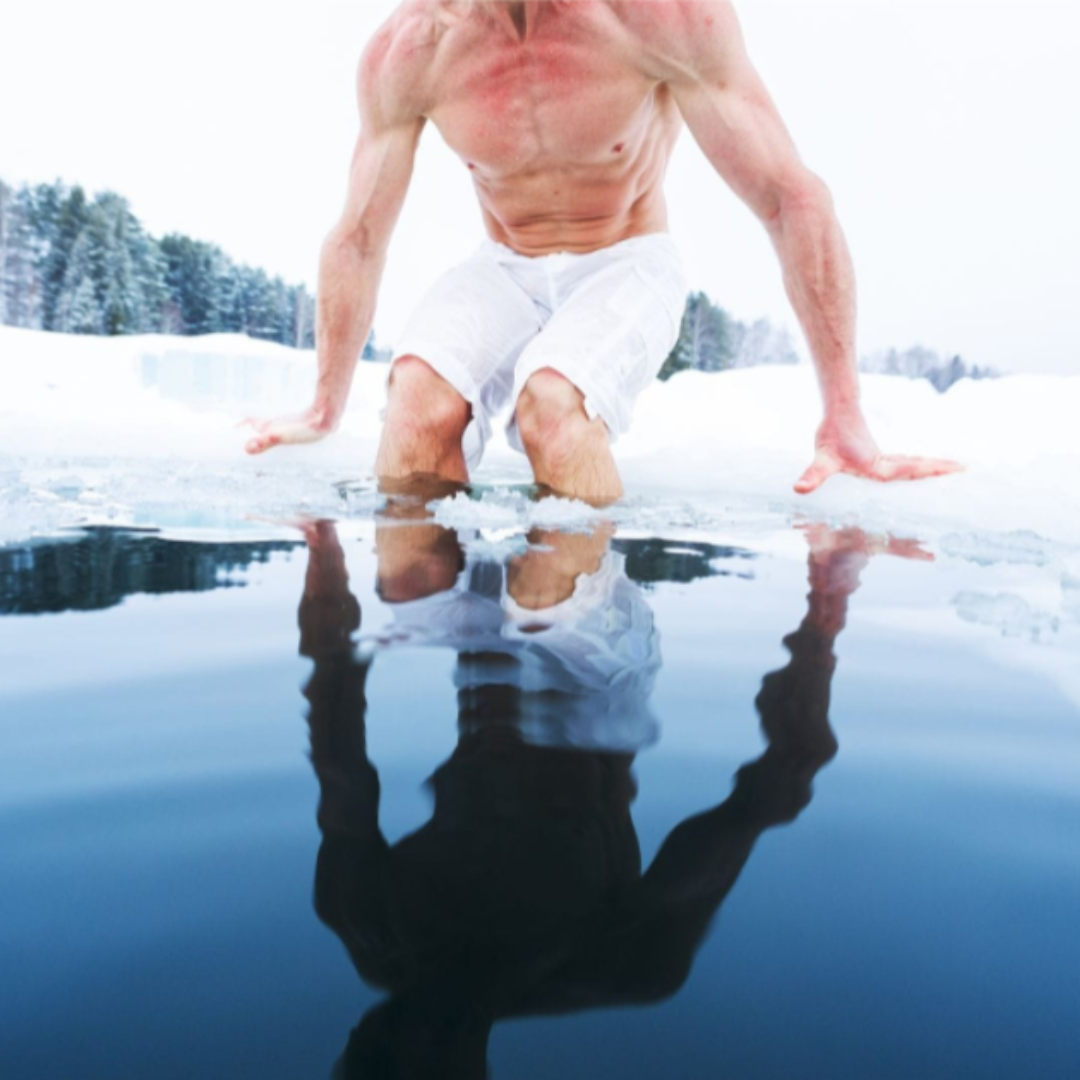
Why take cold baths? Your Wim Hof instructor answers here
In our relentless quest to improve our health and well-being, many methods have emerged. Among them, the Wim Hof method stands out for its unique and promising approach. Developed by Wim Hof, nicknamed "The Iceman", this method combines breathing, meditation, and cold exposure techniques to optimize the potential of the body and mind.
One of the pillars of the Wim Hof method is immersion in cold water, more commonly known as cold baths.
Cold baths, or cold water immersion, are a key practice in the Wim Hof method, offering numerous physical and psychological benefits.
In this article, we will dive into the secrets of cold baths and their role in the Wim Hof method. We will explore the physical and mental benefits of this practice, relying on solid scientific studies to confirm these effects. Get ready to discover how cold can become an ally for your health and well-being, with each immersion bringing multiple benefits to the body and mind.
The physiological effects of cold baths
Cold baths are much more than just a invigorating experience. They have a profound impact on our physiology, notably by strengthening the immune system, reducing inflammation, and improving blood circulation.
Immune system activation
One of the most fascinating effects of cold baths is their ability to stimulate our immune system. Studies have shown that cold exposure triggers a complex biological response, notably the release of certain hormones and the modulation of immune cells.
Cold exposure stimulates, for example, the production of noradrenaline, a hormone linked to alertness and the stress response. This activates immune cells, such as T lymphocytes and natural killer (NK) cells, thus strengthening our ability to fight infections and pathogens.
Research has also revealed that cold baths increase the production of anti-inflammatory cytokines, thus regulating the inflammatory response and helping to prevent certain autoimmune diseases. By stimulating these responses, cold baths strengthen our resistance to infections and contribute to better overall health.
Reduction of inflammation
In addition to their benefits for the immune system, cold baths are renowned for their anti-inflammatory effects. Chronic inflammation is at the root of many diseases, such as cardiovascular diseases, metabolic disorders, and certain neurodegenerative conditions.
Cold reduces the production of pro-inflammatory cytokines while increasing that of anti-inflammatory cytokines. It also acts on pain receptors, providing relief from chronic pain and inflammatory symptoms.
Regular practice of cold baths helps maintain a lower level of inflammation in the body, which can have a significant impact on long-term health.
Improvement of blood circulation
Cold baths also improve blood circulation, which is beneficial for cardiovascular health and muscle recovery. In response to the cold, blood vessels contract (vasoconstriction) then dilate (vasodilation) to increase blood flow to the tissues. This process, called the "cold shock response", promotes injury healing, relieves muscle pain, and improves recovery after exercise.
Cold exposure also stimulates the production of adrenaline, which increases heart rate and improves blood circulation.
The mental benefits of cold baths
Beyond their physiological effects, cold baths bring numerous benefits for mental health, notably the reduction of stress and anxiety, the improvement of mood and concentration, as well as the strengthening of mental resilience.
Reduction of stress and anxiety
Cold baths induce a state of calm and relaxation, thus reducing stress and anxiety. This relaxation is due to the activation of the parasympathetic nervous system, responsible for the body's relaxation response.
Cold exposure decreases cortisol levels (stress hormone) and increases the release of neurotransmitters such as dopamine and serotonin, linked to well-being and happiness. Cold baths also stimulate the release of endorphins, providing a calming and soothing effect.
Improvement of mood and concentration
Cold baths also stimulate mood and concentration by increasing the production of noradrenaline and dopamine, which regulate motivation and alertness. Furthermore, cold stimulates the production of neurotrophic proteins promoting neuronal growth, which improves cognition in the long term.
Strengthening of mental resilience
The regular practice of cold baths strengthens mental resilience by learning to tolerate discomfort. This develops a positive attitude towards the challenges of daily life. The practice of deep breathing and mental concentration during immersion also helps manage stress in other contexts.
Practical tips for integrating cold baths into your routine
- Start slowly: Begin with cold showers of 30 seconds to one minute, then gradually increase the duration.
- Listen to your body: Do not force yourself and get out of the water in case of excessive discomfort.
- Create a ritual: Integrate cold baths into your routine, combine them with meditation for a moment of calm and revitalization.
- Practice Wim Hof breathing before or after cold baths to maximize their effects.
Cold baths are not only a refreshing experience, but a powerful tool to improve our physical and mental health. By integrating this practice into your daily routine, you will be able to benefit from its numerous effects, notably on immunity, inflammation, blood circulation, and mental health.
Join the community of Wim Hof method practitioners and share your experience in this quest for well-being.
Mastering cold baths with the Wim Hof method: Techniques, Benefits and advice
How to take a cold bath at home? [5 minutes]